
insulated glass panels cost
Understanding Bore Gauges A Comprehensive Guide to Buying the Right Tool When it comes to precise measurement in various industrial and mechanical applications, bore gauges are indispensable tools. These instruments are designed to measure the internal diameters of holes, cylinders, and other round features with utmost accuracy. If you're in the market for bore gauges for sale, understanding the different types, their applications, and key features can help you make an informed decision. Types of Bore Gauges 1. Dial Bore Gauges These are perhaps the most common types. They consist of a dial indicator mounted on a measuring probe. By inserting the probe into the bore, users can read the internal diameter on the dial, which provides a quick and easy way to get measurements. 2. Electronic Bore Gauges For those who prefer digital accuracy, electronic bore gauges are the way to go. These tools offer the advantage of digital readouts, often with advanced features such as data storage, connectivity options, and enhanced precision. 3. Tapered Bore Gauges These are specifically designed for measuring conical bores. They typically come in different sizes and shapes to accommodate various conical angles, ensuring that users can measure accurately even in complex geometries. 4. Gage Blocks While not traditional bore gauges, gage blocks can be used in conjunction with other measuring tools to ensure that bore sizes meet specified tolerances. They are particularly useful for calibration purposes. Applications of Bore Gauges Bore gauges are widely used in manufacturing and maintenance industries, particularly in automotive, aerospace, and machinery manufacturing. They are crucial in fitting parts together, ensuring that components meet specified tolerances, and conducting quality control checks. Engineers and machinists rely on these tools to maintain the quality and integrity of their work, as even minute discrepancies can lead to significant problems in assembly and functionality. bore gauges for sale Key Features to Consider When shopping for bore gauges, there are several features to keep in mind - Measurement Range Ensure the gauge can measure the specific bore sizes you work with. Different models offer varying measurement ranges. - Accuracy Check the gauge's tolerance and accuracy specifications. For critical applications, a higher accuracy is often required. - Ease of Use Look for gauges that are intuitive and easy to operate. Features like clear readouts and ergonomic designs can enhance usability. - Durability Since bore gauges can be used in tough environments, choose models that are robust and made from high-quality materials to withstand wear and tear. - Calibration Regular calibration is vital for maintaining accuracy. Some manufacturers offer gauges that are easier to calibrate, which can save time in quality control processes. Conclusion Investing in the right bore gauge is crucial for ensuring precision in your measurements. With a variety of options available for sale, understanding your specific needs and the features of each gauge can help you make an informed choice. Whether you opt for a dial, electronic, or tapered bore gauge, remember that quality tools are an investment in the reliability of your work. By choosing wisely, you can enhance efficiency and ensure superior results in your projects.
about
insulated glass panels cost
Where is the Water Valve in My House? Understanding the location of the water valve in your house is a crucial part of home maintenance and emergency preparedness. This valve, often referred to as the main shut-off valve, controls the flow of water into your home and can be a lifesaver during plumbing disasters. In this article, we will explore the importance of knowing where to find this valve, how to locate it, and what steps to take in case of an emergency. Why is the Main Water Valve Important? The main water valve serves as the control point for your home’s water supply. If there’s a burst pipe, a significant leak, or other issues that could damage your property, shutting off this valve can prevent further water damage. Additionally, knowing its location allows you to quickly respond to water-related emergencies, offering peace of mind for homeowners. Where to Look for the Main Water Valve The main water valve is typically located near where the water line enters your house. Here are some common places to check 1. Basement If your home has a basement, the main water valve is often found along the wall where the water line comes in. Look near the foundation wall, and it may be against a wall closest to the street. 2. Crawl Space Like basements, homes with crawl spaces may also have the main valve located close to the entry point of the water line. You might have to crouch or even lie down to see it properly. 3. Utility Room In some houses, particularly ones without a basement or crawl space, the main water valve can be found in a utility room or laundry area. It often sits near the hot water heater or water filtration system. 4. Outside In warmer climates, the main shut-off valve may be located outside your house, typically near the ground, along the exterior wall. It may be in a small box covered with a lid, often marked with “water” or a similar term. 5. Kitchen Occasionally, you might find the main water valve under the sink in the kitchen, particularly in older homes . where is the water valve in my house Identifying the Valve Once you locate the area where the main water valve should be, you'll need to identify it. Water valves can come in different types - Gate Valves Usually, have a round wheel that you turn clockwise to shut off the water. - Ball Valves They have a lever handle, which you can turn perpendicular to the pipe to stop the water flow. What to Do in an Emergency If you face a plumbing emergency such as a leak or a burst pipe, here are the steps you should follow 1. Locate the Main Valve Quickly find the main shut-off valve as soon as possible. 2. Turn Off the Valve Depending on the type (gate or ball), turn it clockwise or flip the lever to the off position. 3. Call a Plumber After shutting off the water supply, contact a licensed plumber to address the issue. 4. Assess the Situation Check for any damages and take steps to minimize them, such as moving furniture or using towels to soak up any excess water. Conclusion Knowing where the water valve is located in your house is an essential skill for every homeowner. It can save you time, money, and stress during plumbing emergencies. Take a few moments to locate your main shut-off valve today, and you’ll be prepared for whatever water-related issues may arise in the future.
-

High quality industrial productsagement

High quality industrial products
View Details -

Meet the diverse needs of customers

Meet the diverse needs of customers
View Details -

Strict quality control

Strict quality control
View Details -

Top raw materials

Top raw materials
View Details -

Trusted supplier

Trusted supplier
View Details
Our application
news and information
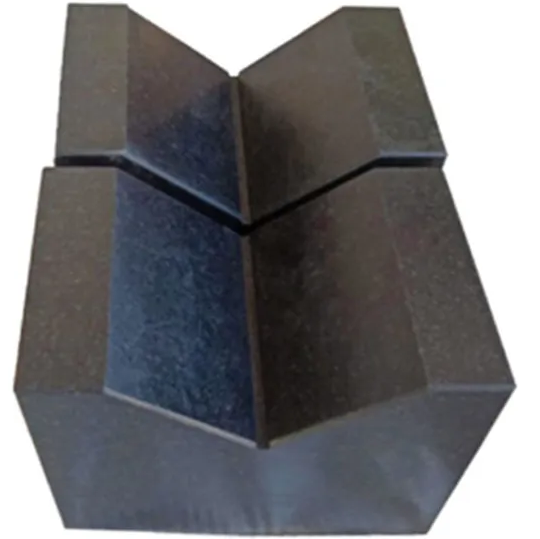
Using Ring Gauge for Precision Measurement in Quality Control Applications
ring gauge is used for checking .
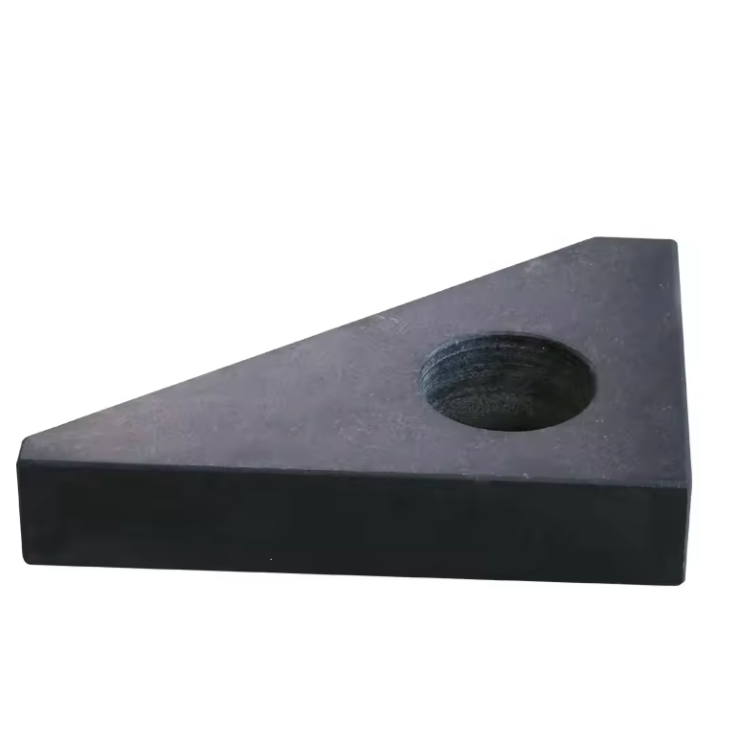
Venta horizontal
Título La Venta de Niveles Una Oportunidad Única En el mundo actual, donde la competencia es feroz y
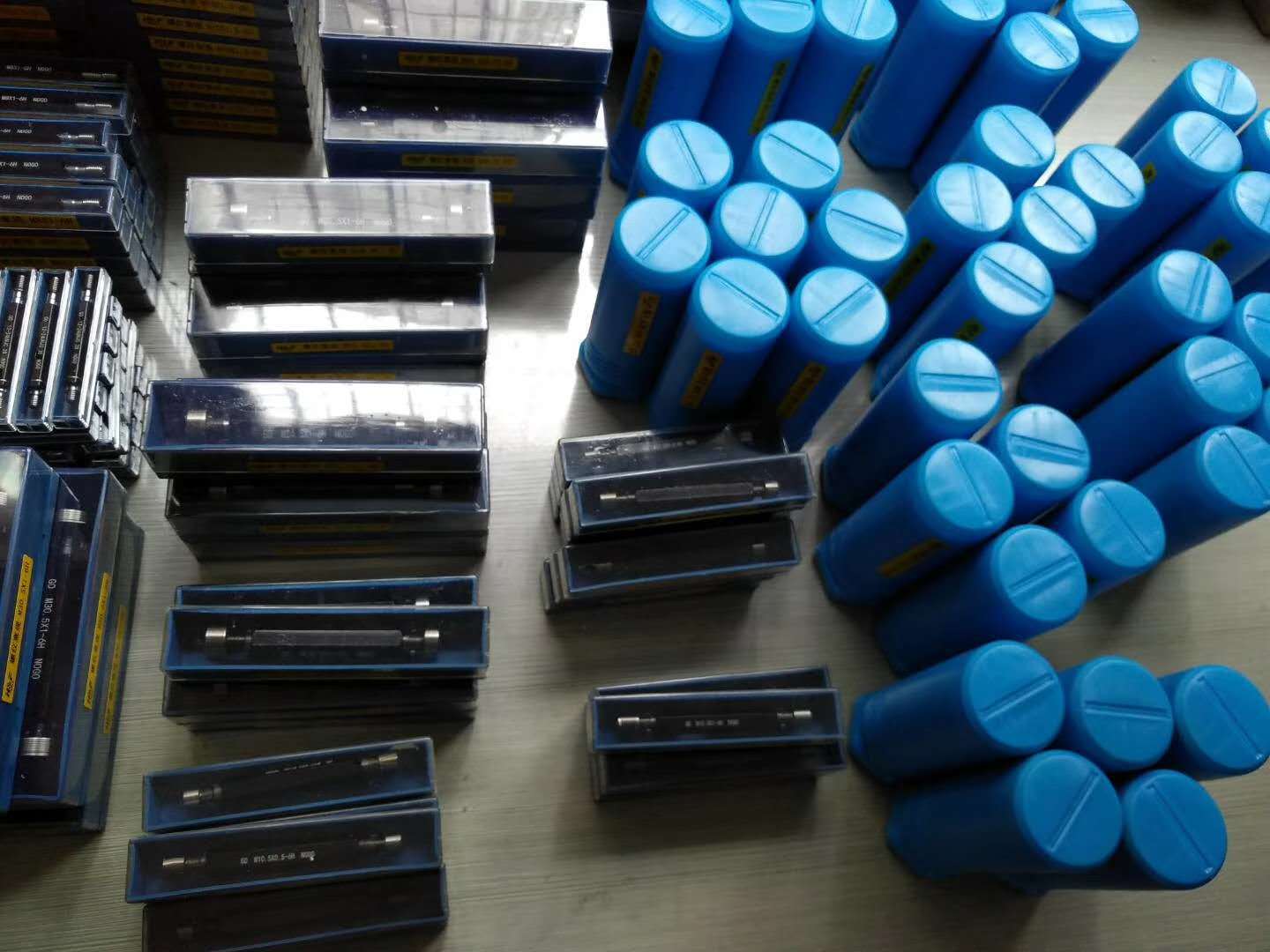
Water Control Valve - Precision Flow Management Solutions
Understanding Water Control Valves A Key Component in Fluid Management Water control valves are esse
 English